
DOCK LEVELER Guide
A simple way to understand dock leveler — without technical headaches.
4 Key Things to Consider When Choosing a Dock Leveller in Malaysia
Choosing the right dock leveller is not only about size. It must match dock height, trailer height, daily operation, and safety needs.
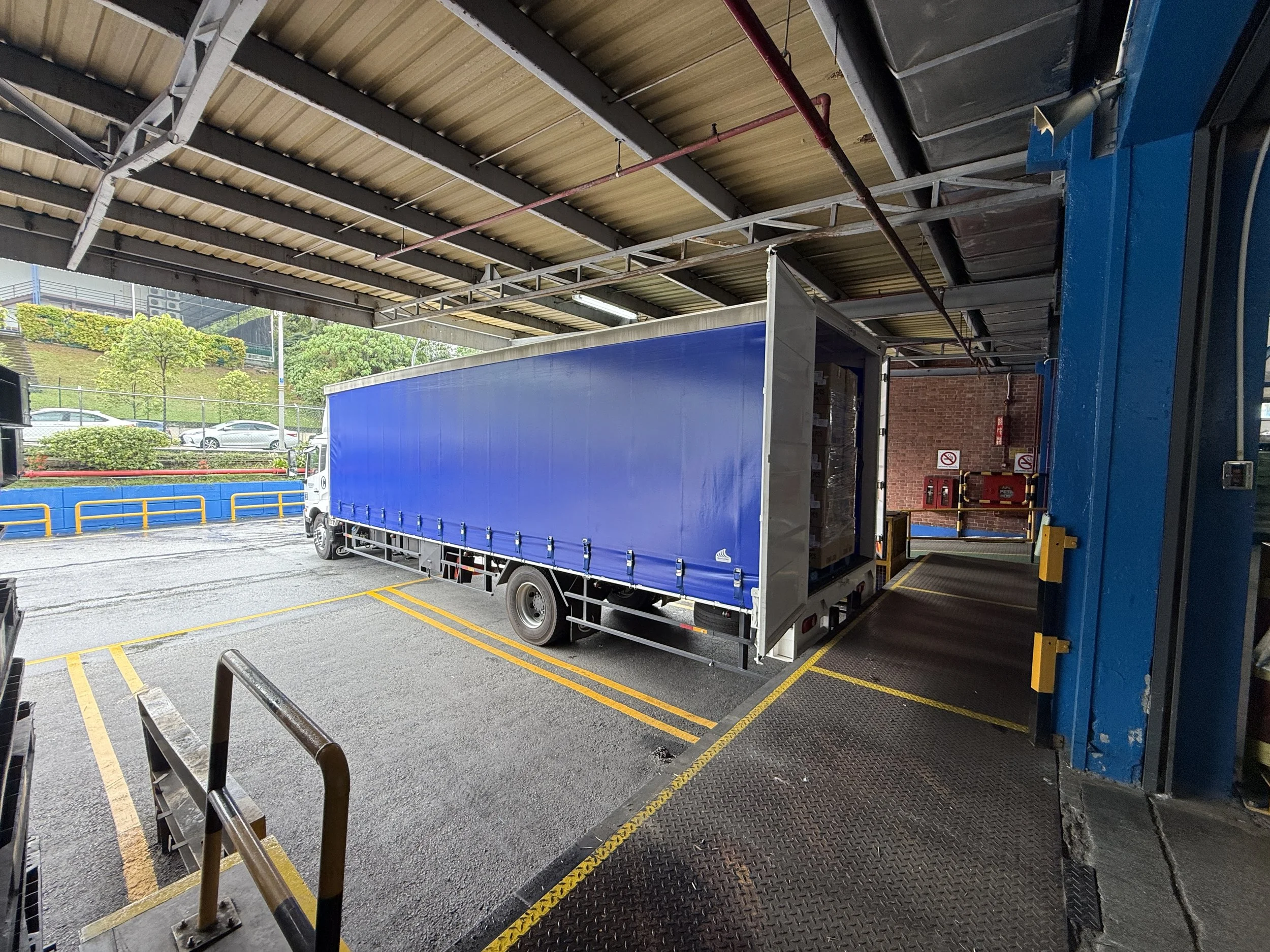
Dock Height and Trailer Height Must Match
In Malaysia, the standard dock height is around 1200mm.
Most hydraulic dock levellers can operate 300mm above and 300mm below dock level.
However, trailer height is not fixed. It changes based on type of trailer, load inside the container, suspension condition.
If the dock leveller cannot cover this height range, the slope becomes steep and unsafe.
Proper Pit Construction Is Important
Most warehouse in Malaysia use:
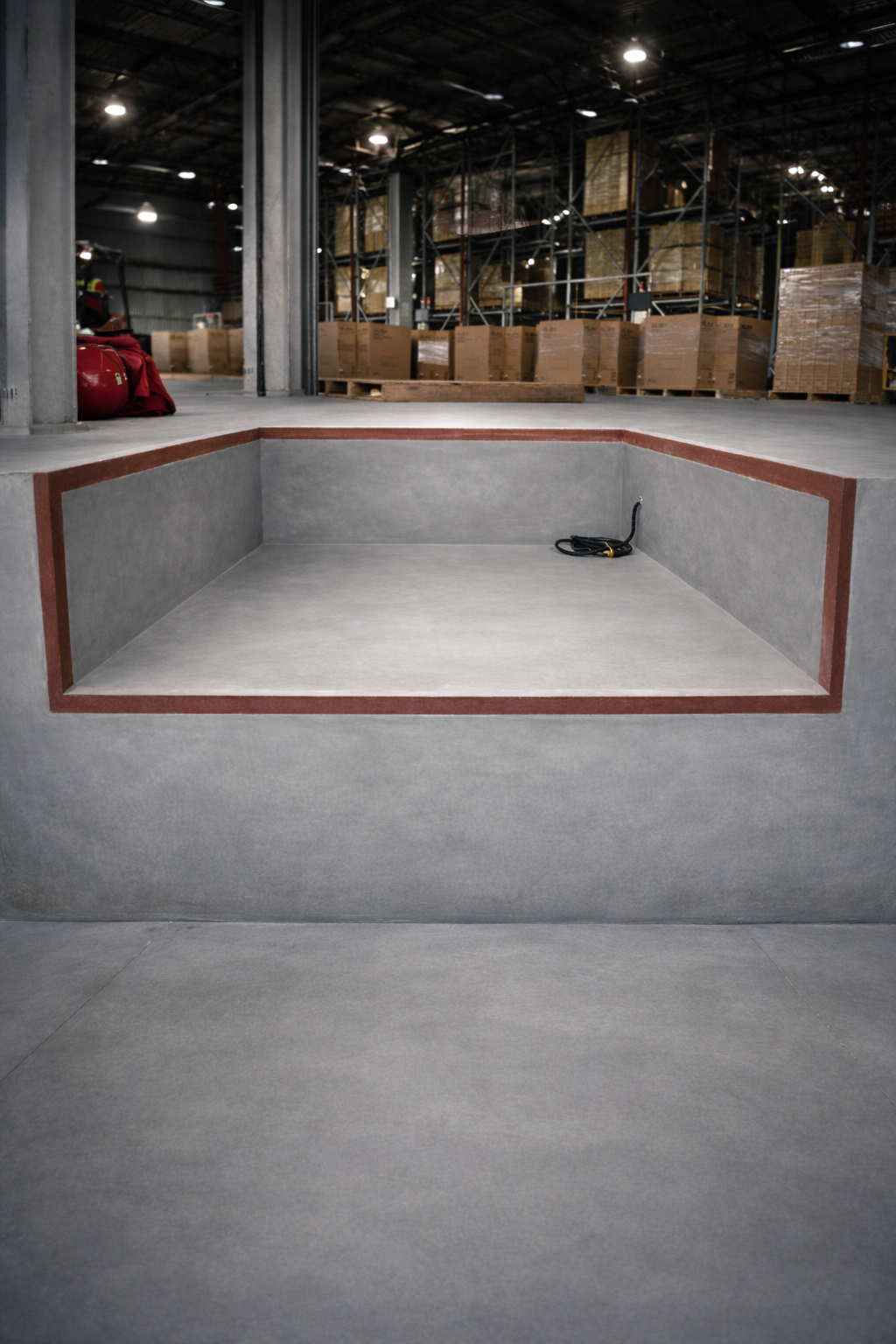
Standard dock leveller size: 1830 × 2130 × 480 mm
Standard pit size: 1880 × 2165 × 508 mm
The pit must be built correctly to support the dock leveller.
Important details include correct pit dimensions, proper concrete finish and curb angle to protect pit edges
We provide consultation on pit construction. Get in touch with us.
Safety Features Must Not Be Ignored
Loading docks handle 10–20 tonnes of moving equipment every day.
Without proper protection, accidents and damage can happen.
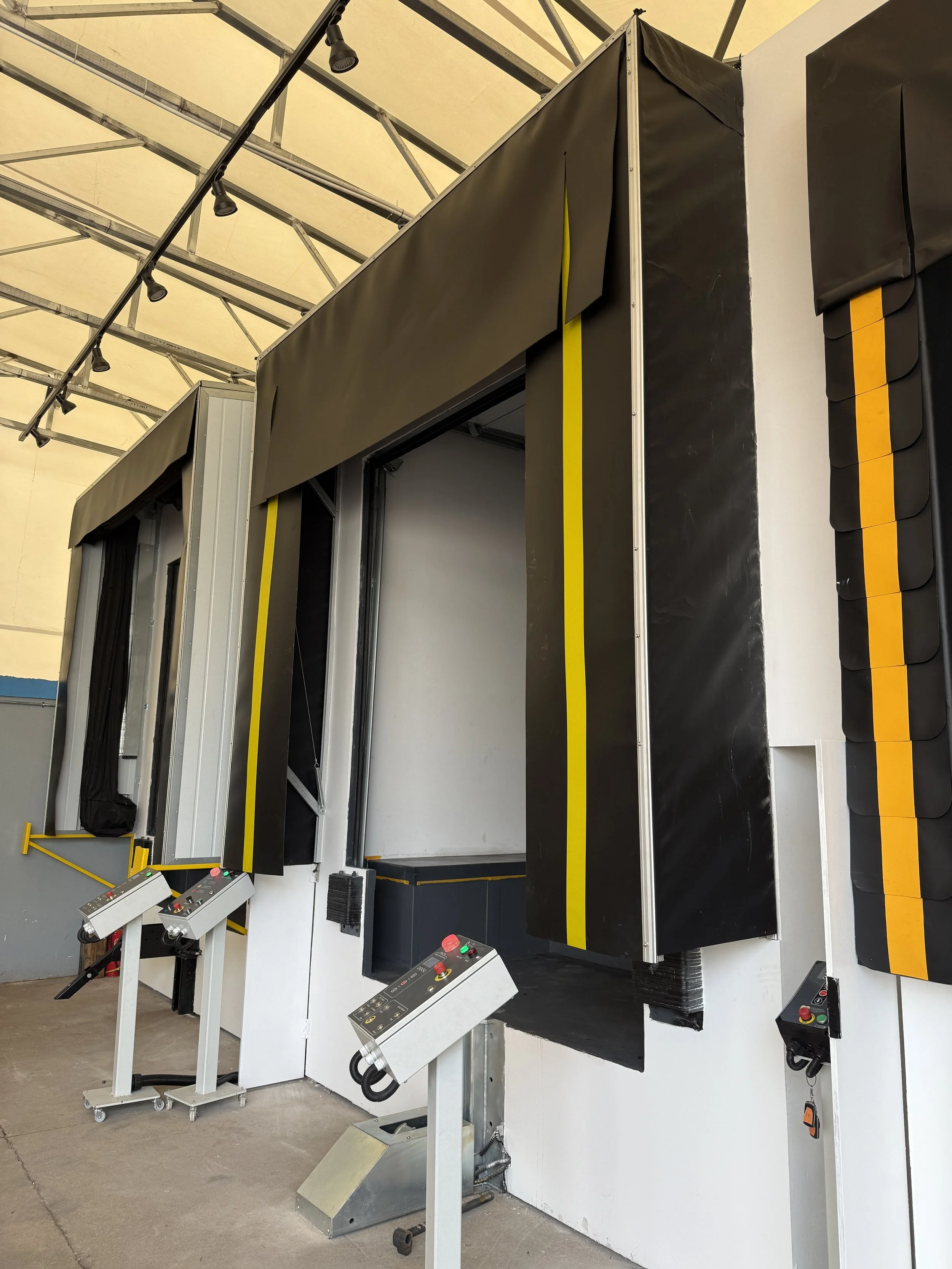
Important safety items include wheel guides, laminated rubber dock bumpers and dock shelters
These help guide trucks correctly and protect the dock structure.
Easy to Use and Easy to Maintain
A dock leveller is used many times every day. It must be simple and reliable.
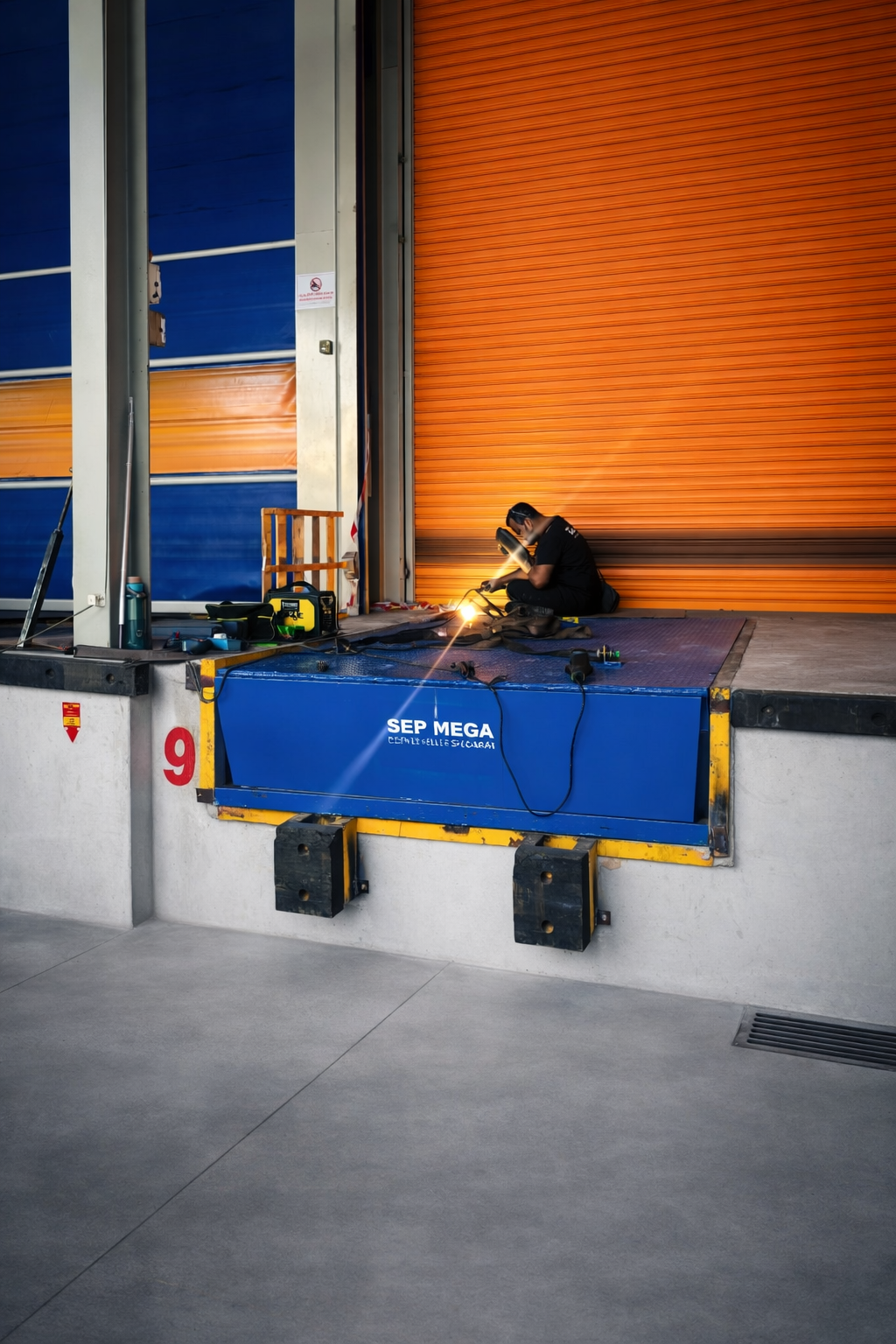
Most modern hydraulic dock levellers use single-button operation, low-maintenance design, and a robust structure that makes parts easy to service and replace.
Next Step
We can support you with:
Site Visit
We visit the site to check dock height, pit condition, trailer access, and working space.

Pit Construction Consultation
We review existing pits or advise on correct pit dimensions before construction.
View a Demo Unit
You can view a hydraulic dock leveller to understand operation and build quality.
Design and Costing
We propose a suitable dock leveller design with clear scope and cost.
Or email us at enquiry@methodcon.co