

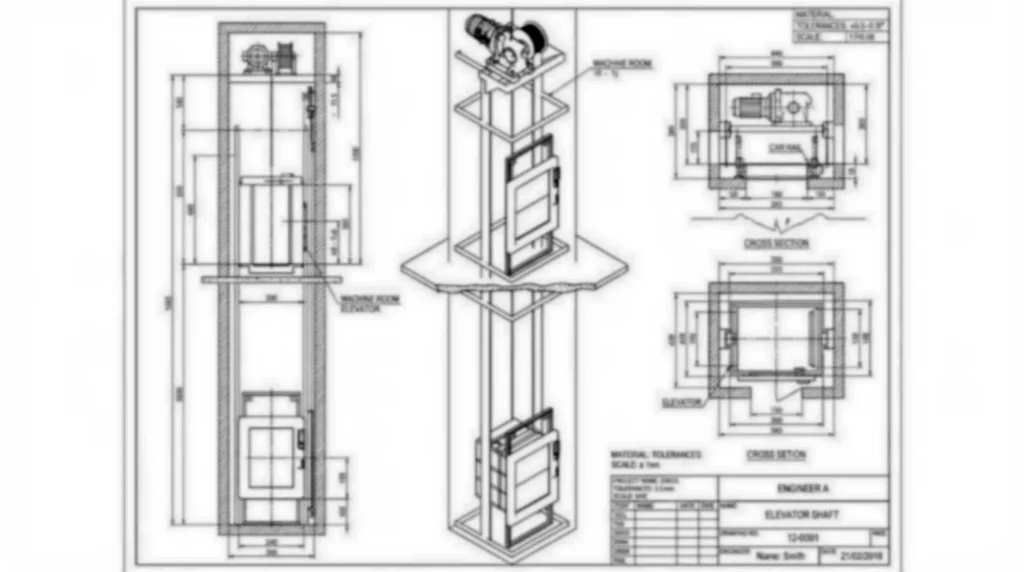
Food Lift Guide
A simple way to understand food lift (Dumbwaiter) — without technical headaches.
3 Common Problems When Choosing a FOOD LIFT (DUMBWAITER)
“This Looks complicated.”
Some clients worry a food lift needs many people to manage.
They are not sure who to talk to, what to prepare, or what will happen next.
👉 How we handle it:
We handle the full process — site check, installation, testing, and handover.
When we finish, the food lift is ready to use.
“Not Sure If My Building Can Fit”
Clients often worry about space.
They are unsure if the building height, opening, or layout is suitable.
👉 How we handle it:
We check the site first.
We confirm what size and layout can work before installation starts.
“Will It Be Safe and Easy to Use?”
A food lift is used every day by staff.
Clients want something safe, simple, and reliable.
👉 How we handle it:
We supply quality systems that are easy to operate.
We test the lift and explain how to use it before handover.
4 Basic requirement to install a food lift
top floor height
Minimum top floor to ceiling height : 2700mm
Required to accommodate motor, drive system and engine room space

Shaft Size
Minimum clear shaft size: 1000mm × 1000mm
Shaft must be straight and continuous between floors
Clear Shaft (No Obstruction)
The shaft must be free from beam / cables / pipes / trays crossing the shaft
This is critical for safety and smooth operation
Power Supply (By Client)
Power supply required on site :
3 phase, 415V, 20Amp, 5 coreAn isolator switch should be provided near the control panel
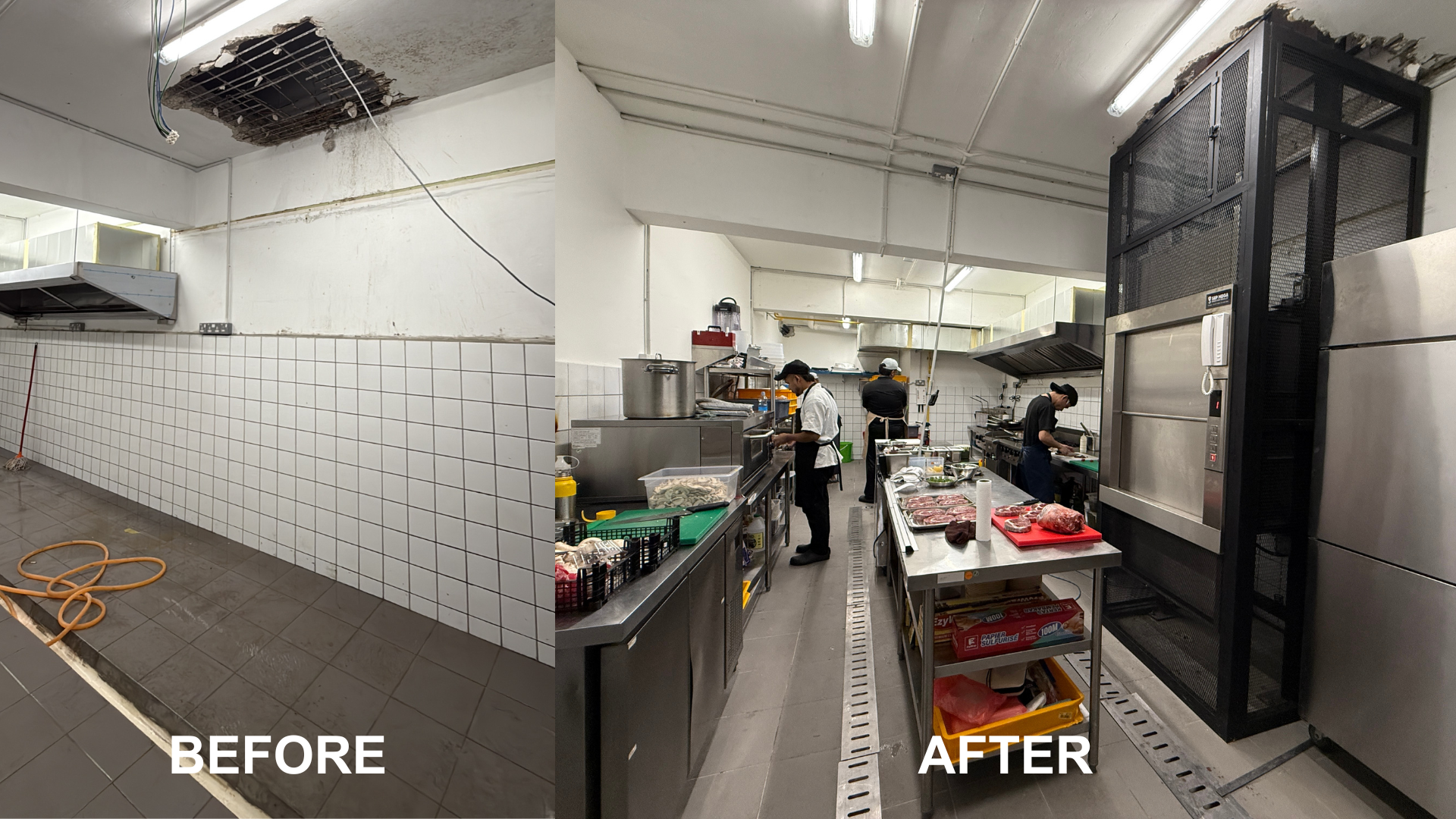
Once the requirements are met, we handle everything.
We design, supply, install, test, and hand over the food lift.
One complete system. One contractor only
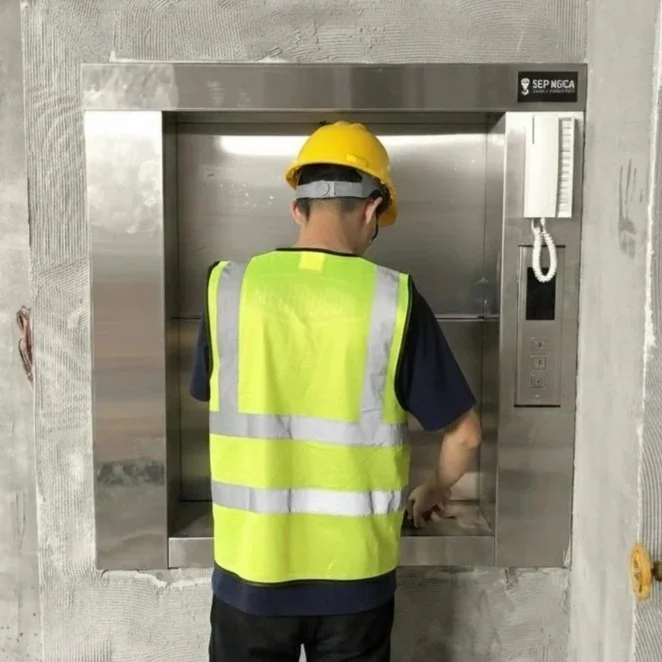
Not sure about your site?
That’s normal. Most restaurant buildings are not clear from drawings.
WhatsApp us for a quick site check — shaft size, clearance, height, and power.